
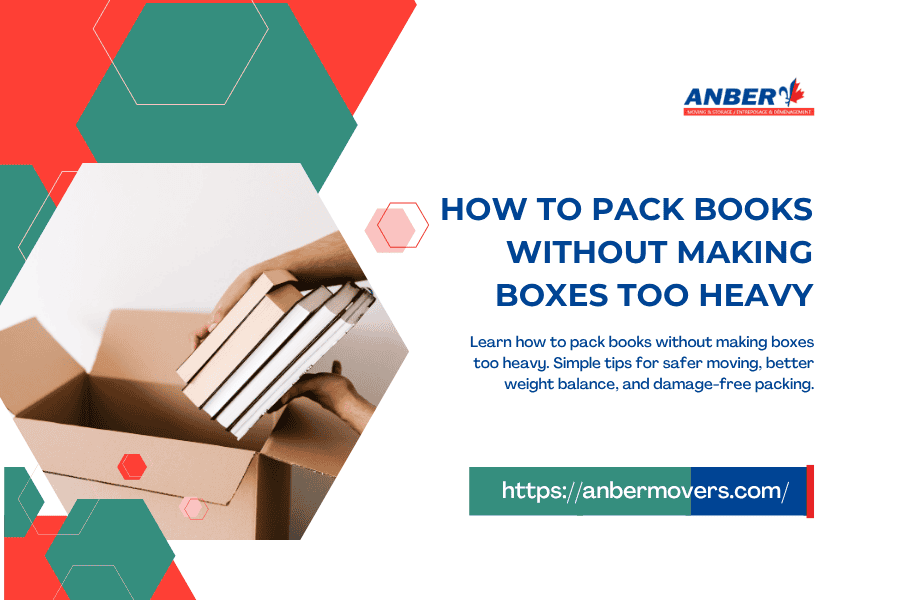
Packing books without making boxes too heavy comes down to one simple rule: use smaller boxes, balance weight, and pack smart layers. Books are dense, so even a small stack can quickly become difficult to lift or unsafe to transport. By choosing the right box size, mixing items, and using proper packing techniques, you can protect your books and make moving day easier.
If you’re working with experienced Montreal movers, they often recommend practical packing methods that prevent injuries, damaged items, and broken boxes. Let’s break it down step by step so you can pack like a pro.
Why Do Book Boxes Get So Heavy?
Books are one of the heaviest household items per cubic foot. A medium or large box filled entirely with books can easily exceed safe lifting limits. This creates risks like:
- Boxes breaking from the bottom
- Strain or injury when lifting
- Difficulty stacking in a moving truck
- Increased moving time and effort
Professional residential movers often see these issues during relocations. The good news is that with a few adjustments, you can avoid all of them.
What Is the Best Way to Pack Books for Moving?
The best method is to use small boxes, distribute weight evenly, and protect book edges. Start with sturdy boxes and avoid overfilling them. Keep each box at a manageable weight so it’s easy to carry.
A trusted Montreal moving company like Anber Movers always advises packing books in a way that prioritises both safety and efficiency.
Choose the Right Box Size First
Why Small Boxes Work Better
Small boxes are your best option when packing books. They limit how many books you can add, preventing excessive weight.
- Ideal box size: small moving cartons
- Avoid large or oversized boxes
- Use double-walled boxes for heavy collections
When people try to save time by using larger boxes, they often end up with boxes that are too heavy to lift safely.
How to Pack Books Step by Step
1. Sort Before Packing
Before you start packing, go through your books and decide what to keep.
Ask yourself:
- Do I still read this?
- Is it valuable or sentimental?
- Can I donate or sell it?
Reducing the number of books makes packing easier and lowers moving costs.
2. Use Proper Packing Techniques
Different types of books need different handling:
- Hardcover books: pack upright like they sit on a shelf
- Paperbacks: stack flat to avoid bending
- Rare or valuable books: wrap individually
Always keep spines protected and avoid bending covers.
3. Don’t Overfill Boxes
Even small boxes can become too heavy if overpacked. Leave a little space at the top and test the weight before sealing.
A good rule: if you struggle to lift it, it’s too heavy.
4. Mix Books With Lighter Items
One of the smartest tricks used by Montreal movers is combining books with lighter household items.
This keeps the box balanced and easier to carry.
- Add linens or clothing on top
- Use towels as padding
- Avoid mixing with fragile items
If you have a large collection, you may also want to read our Complete Guide to Moving Your Library Collection Safely for more detailed handling tips.
Smart Packing Tips to Keep Boxes Manageable
Here are practical tips to make your move smoother:
- Use small boxes only for books
- Reinforce the bottom with strong tape
- Fill empty spaces to prevent shifting
- Keep weight under a comfortable lifting limit
- Label boxes clearly as “Books” or “Heavy.”
These small steps make a big difference, especially when moving multiple boxes.
Should You Use Suitcases for Books?
Yes, suitcases with wheels are great for transporting heavy books. They help reduce lifting strain and make it easier to move across longer distances.
This is especially useful if you’re moving in an apartment building or have stairs to deal with.
How Do Professionals Handle Heavy Book Loads?
Experienced teams like Anber Movers use proven systems to handle heavy items safely. Instead of overloading boxes, they focus on:
- Weight distribution across multiple boxes
- Proper lifting techniques
- Efficient loading inside the truck
- Protective padding for valuable books
Working with residential movers ensures your items are handled carefully while saving you time and effort.
Common Mistakes to Avoid When Packing Books
Using Large Boxes
Large boxes may seem efficient, but they quickly become too heavy and unsafe.
Ignoring Weight Limits
Packing until the box is full instead of being manageable leads to problems on moving day.
Skipping Padding
Books can shift and get damaged without proper cushioning.
Poor Sealing
Weak tape or unsealed bottoms can cause boxes to break.
To reduce the risk of damage during your move, check out How to Avoid Damage on Moving Day: Tips from Montreal Pros.
How Many Books Should Go in One Box?
There’s no exact number, but a small box should feel comfortable to lift without strain. Test each box before sealing it.
If it feels too heavy:
- Remove a few books
- Add lighter items instead
- Split into two boxes
Is It Better to Pack Books Flat or Upright?
Both methods work, depending on the type of book.
- Upright: best for hardcovers
- Flat: best for paperbacks or fragile books
Avoid packing at angles, as this can damage the spine.
How to Protect Valuable or Old Books
If you have rare or sentimental books, take extra care:
- Wrap in acid-free paper
- Use bubble wrap for protection
- Pack separately from regular books
- Label the box clearly
A reliable Montreal moving company understands how to handle delicate items and can provide additional protection if needed.
If you have a large collection, you can also read our complete guide to moving your library collection safely for more detailed steps.
Why Weight Distribution Matters During a Move
Balancing weight across boxes makes loading and unloading much easier. It also helps prevent injuries and keeps your moving process organised.
Many Montreal movers emphasise this because uneven loads can slow down the entire move and increase risks.
Packing Books for Long-Distance Moves
For longer moves, proper packing becomes even more important.
- Use high-quality boxes
- Seal boxes securely
- Avoid moisture exposure
- Label clearly for easy unpacking
Anber Movers recommends planning ahead so your books arrive in the same condition they left.
How to Label Book Boxes Properly
Clear labelling saves time and confusion later.
Include:
- “Books” label
- Room name (e.g., living room, office)
- “Heavy” warning
This helps both you and your movers handle boxes correctly.
Do You Need Professional Help?
Packing books may seem simple, but it can quickly become overwhelming if you have a large collection.
Hiring experienced residential movers can help you:
- Save time
- Avoid injuries
- Protect valuable items
- Stay organised during your move
Anber Movers brings experience and practical solutions that make the process smoother from start to finish.
Not sure how to choose the right team? Use this Checklist for Hiring Reliable Residential Movers Near You before making a decision.
Final Thoughts: Keep It Light and Simple
Packing books without making boxes too heavy is all about control and balance. Stick to small boxes, avoid overpacking, and mix items wisely. These simple strategies make a big difference on moving day.
Whether you’re moving a small library or just a few shelves, planning will save you time, effort, and stress.
Ready to Make Your Move Easier?
If you want a smoother experience, working with a trusted team like Anber Movers can help you handle heavy items safely and efficiently. From packing advice to full moving support, the right team makes all the difference.
👉 You can always take the next step when you’re ready to organise your move and get expert help that fits your timeline.