
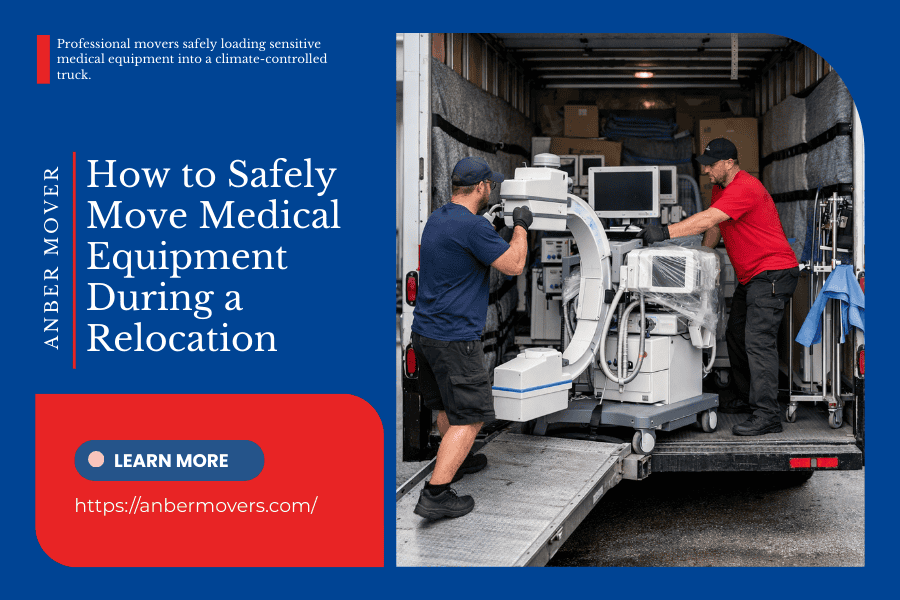
Relocating a medical facility isn’t the same as moving an office or home. Medical equipment is sensitive, expensive, and often essential for patient care. A safe move requires planning, proper handling, and experience with healthcare-grade logistics. This guide explains how medical equipment should be moved during a relocation, what risks to avoid, and how the right professionals help protect your investment.
Why Medical Equipment Moving Requires Special Care
Medical equipment includes items like diagnostic machines, exam tables, imaging systems, sterilization units, and monitoring devices. Many of these tools are calibrated to exact specifications. Even minor movement errors can cause damage, affect accuracy, or void warranties.
Unlike furniture, medical equipment often:
-
Contains fragile internal components
-
Requires specific temperature and humidity conditions
-
Must meet safety and compliance standards
-
Needs re-calibration after transport
Because of these risks, most clinics, hospitals, and labs rely on a medical moving company rather than standard movers.
Start With a Detailed Equipment Assessment
Before anything is packed, each piece of equipment should be reviewed. This step helps prevent damage and delays on moving day.
An assessment usually includes:
-
Equipment size and weight
-
Power requirements
-
Sensitivity to vibration or temperature
-
Manufacturer handling guidelines
Some devices must be partially disassembled, while others should remain intact. This planning stage sets the foundation for a safe move and reduces surprises later.
Create a Clear Relocation Timeline
Medical relocations often need to happen fast, but rushing increases risk. A structured timeline allows teams to move equipment in the correct order while minimizing downtime.
Key timing considerations:
-
Schedule moves outside patient hours
-
Allow buffer time for reinstallation and testing
-
Coordinate with IT, maintenance, and vendors
A reliable medical moving company works closely with facility managers to align the move with operational needs.
Use Proper Packing Materials and Methods
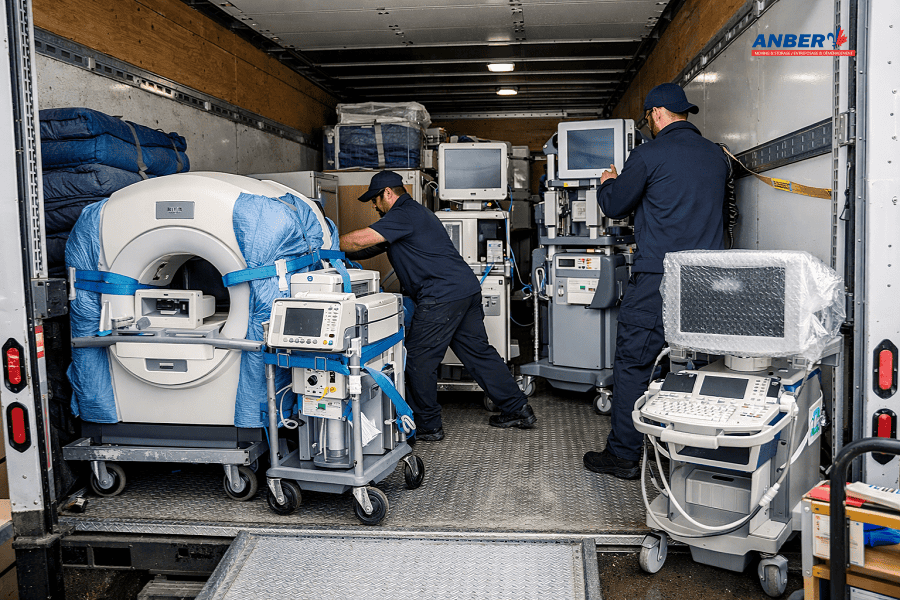
Medical equipment should never be packed using standard boxes or padding alone. Professional movers use materials designed to absorb shock and prevent movement during transport.
This includes:
-
Custom crates
-
Anti-static wrapping
-
Foam padding designed for vibration control
-
Moisture-resistant coverings
Labels and handling instructions are clearly marked so every item is loaded, secured, and unloaded correctly.
Read More: How to Avoid Damage on Moving Day: Tips from Montreal Pros
Key Safety Procedures Used During Medical Equipment Transport
To reduce risk during transport, professional medical moves typically follow these steps:
-
Equipment is powered down and secured properly
-
Loose components are removed and packed separately
-
Devices are wrapped using medical-grade materials
-
Load placement is planned to prevent shifting
-
Transport vehicles are climate-controlled when required
Following these steps helps protect sensitive systems throughout the journey.
Transport Matters More Than Distance
Whether you’re moving across town or between facilities, transport conditions play a major role. Sudden stops, uneven roads, or poor load balance can damage equipment.
Experienced movers:
-
Use air-ride suspension trucks
-
Secure equipment with reinforced restraints
-
Monitor temperature during transport
Facilities relocating within Quebec often choose a Montreal moving company with experience handling healthcare environments rather than general movers.
Compliance and Documentation Shouldn’t Be Overlooked
Medical equipment moves often involve compliance requirements. Certain devices may fall under regulatory or insurance guidelines.
Important considerations include:
-
Asset tracking during the move
-
Chain-of-custody records
-
Insurance coverage for high-value items
-
Documentation for inspections
A professional medical moving company understands these responsibilities and ensures nothing is overlooked.
Learn More: Why Licensing and Insurance Are Critical in the Moving Industry
Reinstallation and Testing After the Move
The move doesn’t end once equipment reaches the new location. Devices must be reinstalled correctly and tested before being used on patients.
Post-move steps often include:
-
Positioning equipment according to layout plans
-
Reconnecting power and data systems
-
Calibration and functionality checks
-
Coordination with biomedical technicians
Skipping this stage can lead to inaccurate readings or equipment failure.
Managing Downtime During a Medical Relocation
Every hour of downtime impacts patient care and revenue. Careful sequencing helps keep services running.
Ways to reduce downtime:
-
Move non-critical equipment first
-
Schedule critical equipment last
-
Set up temporary service areas if needed
Experienced movers coordinate these steps so clinics and facilities can resume operations as quickly as possible. Some medical moves require temporary holding space during transitions. This guide explains when storage becomes necessary: When Do You Need Storage Services During A Move?
Cost Considerations Without Cutting Corners
Many facilities search for “cheap movers Montreal“ when planning a relocation. Cost matters, but medical moves shouldn’t be judged by price alone.
Low-cost providers may lack:
-
Proper equipment handling experience
-
Medical-grade packing materials
-
Adequate insurance coverage
Choosing a provider that balances cost with safety reduces the risk of expensive repairs or replacements later.
Why Experience Makes a Difference
Medical equipment moves require hands-on experience, not guesswork. Teams trained in healthcare relocations understand how different devices behave during transport and how to prevent damage.
A trusted medical moving company brings:
-
Trained crews
-
Specialized tools
-
Proven processes
-
Real-world problem-solving
This level of experience helps facilities avoid disruptions and unexpected costs.
How Anber Movers Supports Medical Relocations
Anber Movers works with clinics, labs, and healthcare facilities to handle equipment moves with care and precision. Each relocation is planned based on the type of equipment, facility layout, and timeline needs.
By focusing on preparation, safe handling, and clear communication, Anber Movers helps healthcare teams move with confidence while protecting critical assets.
Choosing the Right Partner for Your Medical Move
Before selecting a mover, ask:
-
Do they have medical relocation experience?
-
Are they insured for high-value equipment?
-
Can they coordinate with technicians and vendors?
-
Do they understand compliance needs?
Facilities that ask the right questions are far more likely to avoid delays and damage.
Final Thoughts
Moving medical equipment is a complex task that demands careful planning, proper handling, and experienced professionals. From assessment to reinstallation, every step plays a role in protecting patient care and operational continuity.
If you’re planning a healthcare relocation, working with a medical moving company that understands these challenges can make all the difference. When the time comes to plan your move or request guidance, connecting with the right team early helps ensure a smooth and safe transition.